 For Individuals
 For Enterprises
 Coaching Matters
 International Coaching Week
 Ebooks
 Podcasts
 Blogs
Blogs Alchemy
The Neuroscience of Dopamine: Your Brain's Reward System Explained
Dopamine isn't merely the "happy chemical"—it's the motivation and movement molecule. It drives us to pursue rewards, initiate action, and feel anticipation for future positives. Dr. Warrier explains that our brains evolved in environments where rewards were scarce and effort-intensive (hunting, gathering, building).
Today, that system clashes with modern life. Cheap dopamine refers to quick, low-effort rewards that flood the system without proportional work—think likes, notifications, sugary snacks, or binge-watching. These spikes raise your baseline threshold, making natural rewards (reading a book, exercising, deep conversation) feel unsatisfying.
Key insight: Your brain prioritizes energy conservation. It will always lean toward the path of least resistance unless you intentionally rewire it.
Cheap Dopamine: How Instant Gratification Hijacks Your Motivation
Procrastination isn't laziness—it's your brain choosing a 10% effort, 90% reward activity over sustained effort. When you stack dopamine sources (eating while scrolling while watching videos), your sensitivity drops. Everyday tasks start feeling overwhelmingly hard.
Common cheap dopamine sources include:
- Social media scrolling
- Constant notifications and email checks
- Sugary or ultra-processed foods
- Caffeine + entertainment combos
- Pornography or endless entertainment streaming
Over time, this leads to dopamine tolerance. You need more stimulation just to feel normal, explaining rising rates of burnout, anxiety, and attention issues across generations.
Dr. Warrier highlights that emotions and anxiety often manifest physically first (tight chest, restlessness) rather than as clear thoughts—your body signals before your conscious mind catches up.
Social Media – The Most Engineered Addiction in Human History
Social media platforms are perfectly designed for variable rewards—the same mechanism that makes slot machines addictive. Every pull (refresh, like, comment) offers unpredictable hits, keeping you hooked.
For younger users especially, this rewires developing brains. Constant comparison and curated perfection fuel anxiety while eroding real-world social skills. The conversation touches on broader modern life challenges: how digital environments prevent the natural maturation processes our brains expect.
High-performers and wealthy individuals often succeed by protecting their attention fiercely. They limit cheap hits to maintain sensitivity for high-value rewards like strategic thinking, relationship-building, and creative problem-solving.
Why Movement Is the Most Underrated Mental Health Tool
One of the most powerful takeaways: Movement is bidirectional with dopamine. Physical activity releases dopamine and makes future movement easier. It's nature's antidepressant and focus enhancer, yet often overlooked in favor of pills or apps.
Regular movement (walking, resistance training, sports) helps regulate mood, improve sleep, reduce anxiety, and restore dopamine sensitivity. It counters the sedentary, screen-bound lifestyle that amplifies cheap dopamine effects.
Actionable tips:
- Start with short daily walks without your phone.
- Pair movement with reflection instead of more content consumption.
- Use exercise as a "dopamine reset" after periods of high digital use.
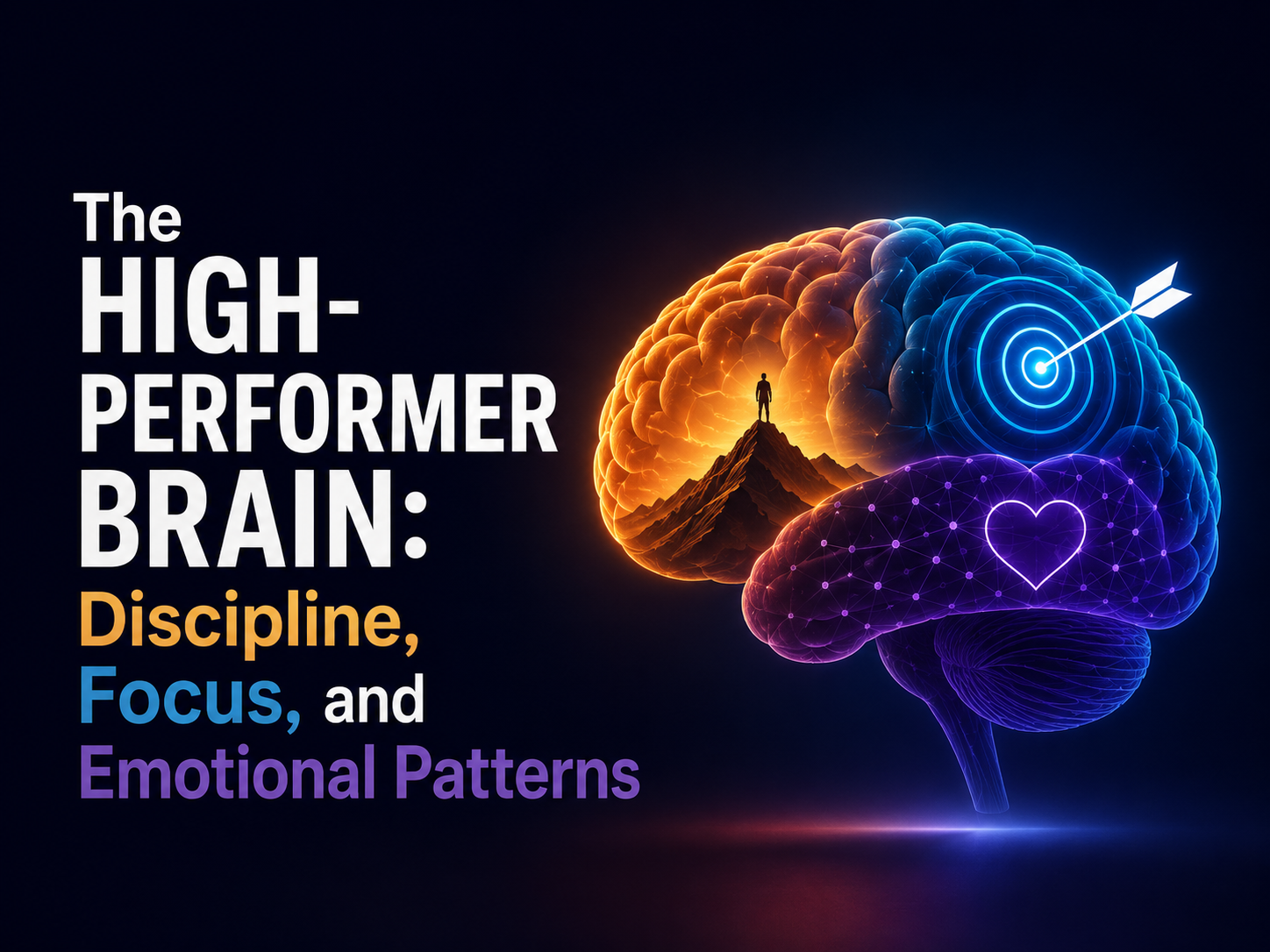
The High-Performer Brain: Discipline, Focus, and Emotional Patterns
Dr. Warrier explores why some brains seem wired for success. It's not innate genius alone—it's often better dopamine management, delayed gratification, and emotional regulation. Discipline becomes easier when cheap rewards are minimized.
The episode addresses cultural specifics, such as why many Indian men struggle with emotional expression. Societal expectations to "be strong" or suppress vulnerability lead to shutdown patterns that harm relationships and mental health long-term. Childhood experiences continue shaping adult decisions far more than we admit—unresolved patterns drive procrastination, perfectionism, or avoidance.
Everyone is "faking it" to some degree. Recognizing this universal insecurity reduces self-judgment and opens space for genuine growth.
Childhood Wiring and the "Faking It" Phenomenon
Your brain never fully "grew up" in the sense that early environments hardwire responses. Safety vs. curiosity balance in childhood influences risk-taking and exploration in adulthood. Raising kids in overly safe, low-challenge environments may limit resilience.
The good news? Neuroplasticity allows rewiring at any age. Awareness of these patterns is the first step to changing them.
Practical Strategies to Reset Your Dopamine System
Transforming knowledge into action is key. Here are synthesized, expert-aligned strategies:
- Audit and Reduce Cheap Hits — Track your dopamine sources for a week. Set strict limits on social media (e.g., time blockers, grayscale mode).
- Embrace Boredom and Monotasking — Allow your mind to wander without stimulation. This rebuilds focus and creativity.
- Prioritize Movement Daily — Aim for consistent physical activity, ideally outdoors.
- Practice Emotional Awareness — Notice body signals of anxiety or low mood before they escalate. Journaling or therapy helps unpack childhood influences.
- Build High-Effort Rewards — Schedule deep work, meaningful conversations, or skill-building. Celebrate progress to reinforce natural dopamine pathways.
- Sleep and Routine Optimization — Consistent sleep (ideally before late hours) protects dopamine regulation.
- Mindful Consumption — Use AI/tools with clear purpose, not passive scrolling.
These aren't quick fixes but compound into profound life changes.
Summary & Call-to-Action (CTA)
Your brain found the cheapest drug on Earth, but you hold the power to change its prescription. By understanding cheap dopamine, social media's grip, the value of movement, and your childhood wiring, you can reclaim focus, motivation, and authentic connections. Dr. Sid Warrier's insights remind us that self-mastery starts with self-understanding—no one has life fully figured out, and that's okay.
Ready to upgrade your brain? Start today with one small change: put your phone in another room for your next focused task or evening walk. Share your biggest takeaway in the comments—what cheap dopamine habit are you tackling first? Subscribe for more neuroscience-backed strategies, and explore Dr. Sid Warrier's work for deeper dives into brain health. Your future self will thank you.