
 For Individuals
 For Enterprises
 Coaching Matters
 International Coaching Week
 Ebooks
 Podcasts
 Blogs
Blogs Alchemy
In the world of business titans, few comparisons spark as much debate as that between Elon Musk and Ratan Tata. One is a relentless innovator pushing humanity toward Mars, while the other built a century-old empire rooted in ethics and empathy. But who's the better leader? The answer may surprise you—it's not about picking a winner, but understanding how their contrasting leadership styles Elon Musk vs Ratan Tata can teach us profound leadership lessons from Elon Musk and Ratan Tata. Drawing from a insightful podcast discussion with certified leadership coaches Nuropama and Rajes, this post explores the hardcore hustle of Musk versus the nurturing wisdom of Tata, introducing concepts like the nurturing quotient in leadership and balancing ambition and compassion. By the end, you'll gain actionable insights on sustainable leadership practices that blend drive with durability, helping you lead not just for today, but for generations.
Understanding Leadership Through Icons: Elon Musk and Ratan Tata
Leadership isn't one-size-fits-all; it's a spectrum shaped by personality, vision, and values. Elon Musk, the visionary behind Tesla and SpaceX, embodies the archetype of a maverick genius—bold, ambitious, and unyielding. His journey from near-bankruptcy to becoming the world's richest person showcases an unparalleled drive that has revolutionized electric vehicles and space travel. On the other end stands Ratan Tata, the humble architect of the Tata Group, who transformed a family business into a global conglomerate spanning steel, automobiles, and IT, all while prioritizing social responsibility and employee welfare.
This comparison isn't just academic; it's practical. As discussed in the podcast, Musk's style thrives on extreme ambition and risk-taking, often at the cost of work-life balance, while Tata's emphasizes humility, empathy, and long-term sustainability. These contrasting leadership styles Elon Musk vs Ratan Tata highlight a key tension in modern business: short-term disruption versus enduring legacy. By examining both, we uncover leadership lessons from Elon Musk and Ratan Tata that can help leaders navigate today's volatile markets, where burnout is rampant and employee retention is a battle.
Expanding on this, industry observers note that Musk's approach has inspired a generation of tech entrepreneurs, but it also raises questions about sustainability. For instance, his infamous "hardcore culture" tweet during the Twitter (now X) acquisition—demanding intense commitment or resignation—mirrors a high-stakes environment that drives innovation but risks alienating talent. Tata, conversely, is celebrated for fostering collaboration and ethical practices, ensuring his empire's resilience over 150 years.
The Hardcore Approach: Elon Musk's Leadership Style
Elon Musk's leadership is synonymous with intensity. As the coaches point out, Musk operates in a "high performance zone," where 70- or even 18-hour workweeks are normalized, echoing sentiments from Indian leaders like Narayana Murthy and L&T's CEO. His unwavering confidence and ego-driven ambition allow him to tackle impossible feats—like reusable rockets or mass-market EVs—without flinching from failure. Remember his response to three consecutive SpaceX failures? "Never" quit.
Yet, this style has shadows. The podcast highlights Musk's lack of humility, patience, and empathy, evidenced by public firings via tweets and a culture where fear stifles feedback. An anecdote shared: During a muted analyst call, his team was too scared to intervene, illustrating how his approach can create an "emperor's new clothes" scenario. From a coaching lens, one dangerous habit is Musk's belief that "I know everything," which blocks diverse perspectives essential for optimal decisions.
While Musk's methods yield breakthroughs, they often come at a personal and organizational cost. He's evolved somewhat—shifting from all-nighters to prioritizing sleep to avoid "brain pain"—but his cult-like following promotes a hustle culture that glorifies burnout. For leaders inspired by him, the key takeaway is adopting his risk appetite while tempering it with self-awareness to avoid extremes.
The Nurturing Path: Ratan Tata's Leadership Legacy
In stark contrast, Ratan Tata exemplifies nurturing leadership vs hustle culture. As a "gentleman and scholar," he built the Tata Group into a global powerhouse not through domination, but through vision, humility, and inclusivity. The coaches praise his ability to galvanize teams toward shared goals while treating everyone—from doormen to executives—with equal respect. His acquisitions, like Jaguar Land Rover, expanded Tata's reach, but his true legacy lies in creating a culture of trust and social impact.
Tata's style scores high on both respect (for strategic acumen) and love (for authenticity and approachability). Unlike Musk's top-down demands, Tata fostered collaboration, ensuring the group's inclusivity and ethical standards percolated through every level. This nurturing approach has sustained Tata through crises, proving that empathy isn't a weakness—it's a strength. As one snippet notes, Tata's consensus-driven philosophy values team input, creating environments where innovation thrives without exhaustion.
For Indian leaders, Tata's model offers timeless wisdom: Build foundations that outlast you. His commitment to sustainability—environmental and human—ensures longevity, as seen in Tata's 100+ year history versus Musk's younger ventures.
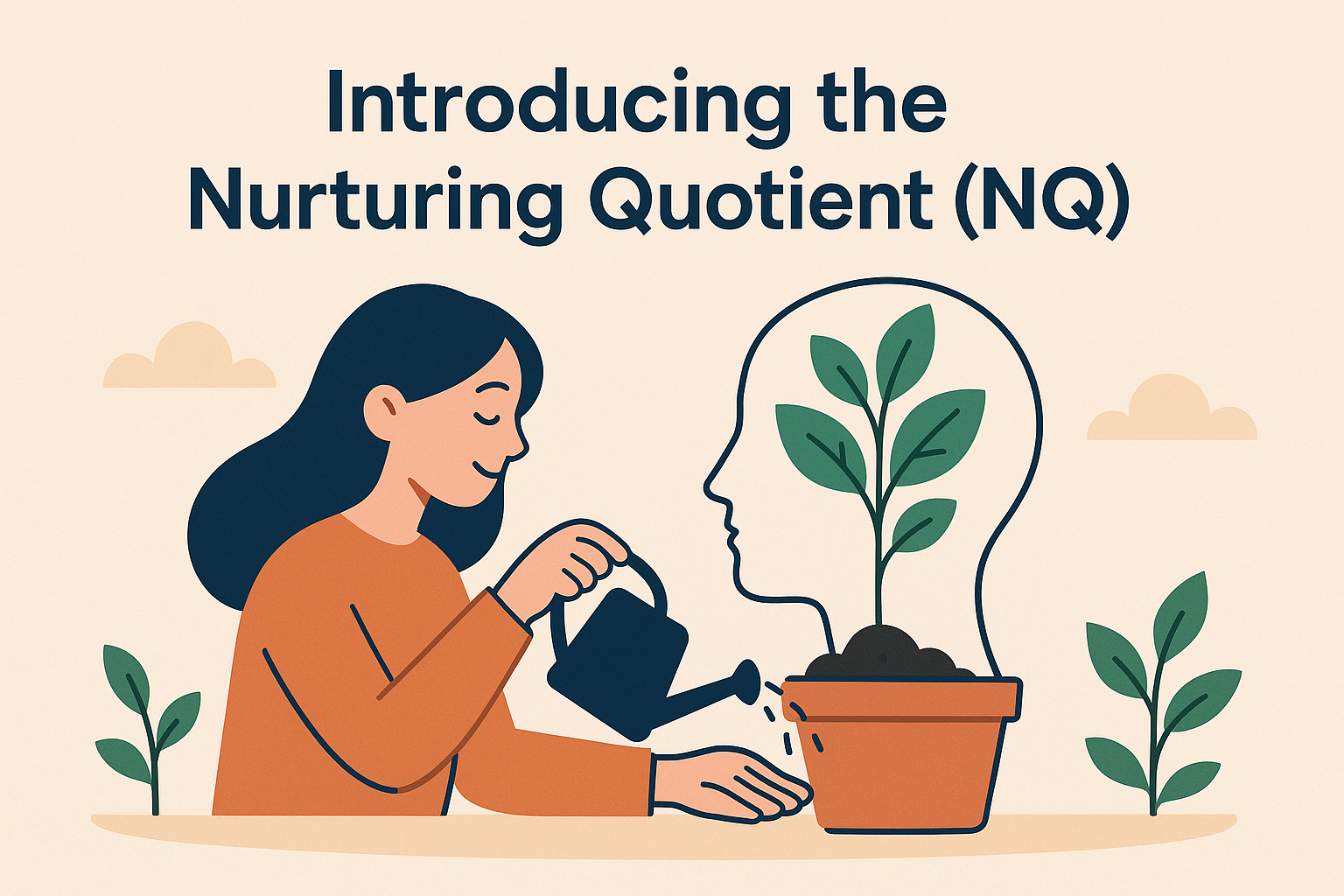
Introducing the Nurturing Quotient (NQ)
At the heart of the discussion is the nurturing quotient in leadership (NQ), a concept coined by the coaches to measure one's ability to nurture self and others consistently. Building on IQ (intelligence) and EQ (emotional intelligence), NQ ensures sustained success by blending performance with purpose. "IQ gets you hired, EQ gets you promoted, but NQ helps you retain and sustain," they explain.
NQ's foundation is the HOPE acronym: Humility, Openness, Patience, and Empathy. These qualities fuel nurturing behaviors under the MIL framework—Mentoring/Coaching, Inspiring, and Listening—plus Empowering. Leaders are urged to act as gardeners: Prepare the soil (culture), plant seeds (ideas), provide nourishment (resources), and pull weeds (bad practices).
An assessment tool is available online to gauge your NQ, scoring self-nurture versus other-nurture. High NQ leaders, like Tata, create psychological safety, boosting innovation and retention. In contrast, low NQ can lead to burnout, as seen in over-reliant "mother archetype" leaders who neglect self-care.
Balancing Hustle Culture with Recovery and Sustainability
The podcast critiques the glorification of 70-hour weeks, supported by figures like Murthy and Musk, but stresses balancing ambition and compassion. Hustle works in flow states—high energy, high emotions—but prolonged intensity leads to burnout. The solution? Cycle into recovery zones: Downtime, rest, and self-nurture.
Leaders must admit: What works for me may not for everyone. Enjoying work makes long hours feel effortless, but sustainability demands balance. Examples abound: A sales leader who belittled support functions shifted beliefs, improving collaboration and results. Similarly, Musk's evolution toward better sleep signals wisdom over mere smarts.
For businesses, this means fostering cultures where crises demand all-out effort, but normalcy includes recovery. Sustainable leadership practices prioritize holistic well-being, ensuring teams thrive long-term.
Lessons for Indian CEOs and Startup Founders
Indian leaders often idolize Musk's innovation but overlook Tata's endurance. The coaches advise: Emulate Musk's single-minded pursuit—"not if, but how"—but infuse it with compassion. For startups in hustle mode, clarify intent: Quick exit or empire-building? If the latter, build strong foundations with shared values and empowered teams.
Avoid founder loneliness by nurturing connections beyond work. Health scares in young entrepreneurs underscore self-care's importance. As one coach shares, passions like photography or yoga enhance creativity, feeding back into leadership. Tata's model beats hardcore culture by creating inclusive, growth-oriented ecosystems.
Practical Tips for Implementing Nurturing Leadership
To shift from hustle to nurture:
- Assess Your Axes: Plot yourself on respect (results-driven) and love (people-focused) axes. Aim for the diagonal by building vulnerability and authenticity.
- Build Habits with AISH: Awareness (self-reflection), Intention (commit to change), Start Action (baby steps like weekly check-ins), Habit Creation (sustain over time).
- Empower Teams: Adopt "hands-off, eyes-on" like Bharat Puri—provide resources, allow failure, and learn.
- Nurture Self: Pursue passions; one coach's photography honed strategic thinking by teaching what to include/exclude.
- Connect Deeply: Random chats with employees, as in converting a room for prayer, build loyalty.
These leadership lessons from Elon Musk and Ratan Tata show neither is "better"—Musk excels in disruption, Tata in durability. But for lasting impact, nurturing wins.
In summary, the debate between Musk and Tata reveals that true leadership blends ambition with empathy, hustle with heart. By adopting sustainable leadership practices and the nurturing quotient in leadership, you can build resilient teams and legacies. Ready to elevate your style? Assess your NQ today and share your thoughts in the comments—how do you balance drive and compassion in your role?