
 For Individuals
 For Enterprises
 Coaching Matters
 International Coaching Week
 Ebooks
 Podcasts
 Blogs
 Alchemy
Ozempic was never meant to become a lifestyle trend. Developed as a serious treatment for type 2 diabetes, the medication—whose active ingredient is semaglutide—has exploded into mainstream conversation as people chase rapid weight loss results. Celebrities, social media, and urban wellness culture have amplified its visibility, but the reality is more complex. In a candid conversation with Vikrant Shrotriya, a senior leader at Novo Nordisk in India, the discussion revealed why this drug works so powerfully, why it must remain under medical supervision, and what India’s growing twin epidemics of diabetes and obesity mean for the future of health.
This post breaks down the science behind Ozempic, the cultural and biological reasons weight struggles are so common in India, the real risks of unsupervised use, and practical steps for better metabolic health. You’ll walk away understanding that sustainable change still rests on lifestyle, awareness, and responsible medical care—not a quick fix.
Why Ozempic Moved from Diabetes Care to Weight Loss
Ozempic belongs to a class of medicines called GLP-1 receptor agonists. It was designed to help people with type 2 diabetes control blood sugar. Clinicians soon noticed something else: many patients also lost significant amounts of weight—often 10, 20, or even 30 kilograms over months when the drug was used appropriately.
This dual effect is not accidental. Semaglutide mimics a natural gut hormone that signals satiety to the brain. Hunger hormones are among the most powerful drivers of human behavior. Willpower alone rarely wins against them for long. When metabolic rate drops and hunger rises after calorie restriction, most people regain weight. GLP-1 medications interrupt that cycle by creating a stronger, more consistent feeling of fullness.
In India, the conversation gained momentum when public figures were linked to the drug. The pharmaceutical industry itself has been careful to stress that Ozempic is a serious medication, not a lifestyle product. It should be prescribed only when clinically indicated and monitored by a doctor. Using it casually for cosmetic thinness undercuts both safety and the deeper purpose of treating chronic disease.
How GLP-1 Agonists Actually Work in the Body
Natural GLP-1 is produced in the gut after eating. It tells the pancreas to release insulin, slows stomach emptying, and communicates with the brain that enough food has been consumed. The problem is its extremely short half-life—it appears and disappears quickly. Scientists extended that action, first with liraglutide and later with semaglutide, creating longer-acting versions that can be injected weekly.
The result is more than blood-sugar control. Patients often report that food noise quiets. Cravings diminish. Portions naturally shrink. Over time this can produce meaningful weight reduction that feels sustainable because the biology has been nudged in a helpful direction rather than fought against.
Importantly, these medicines do not replace the need for diet and activity. They work best when paired with them. Experts repeatedly emphasize that Ozempic for weight loss under medical supervision delivers the strongest and safest outcomes. Without that framework, side effects can become problematic and long-term benefits may not hold.
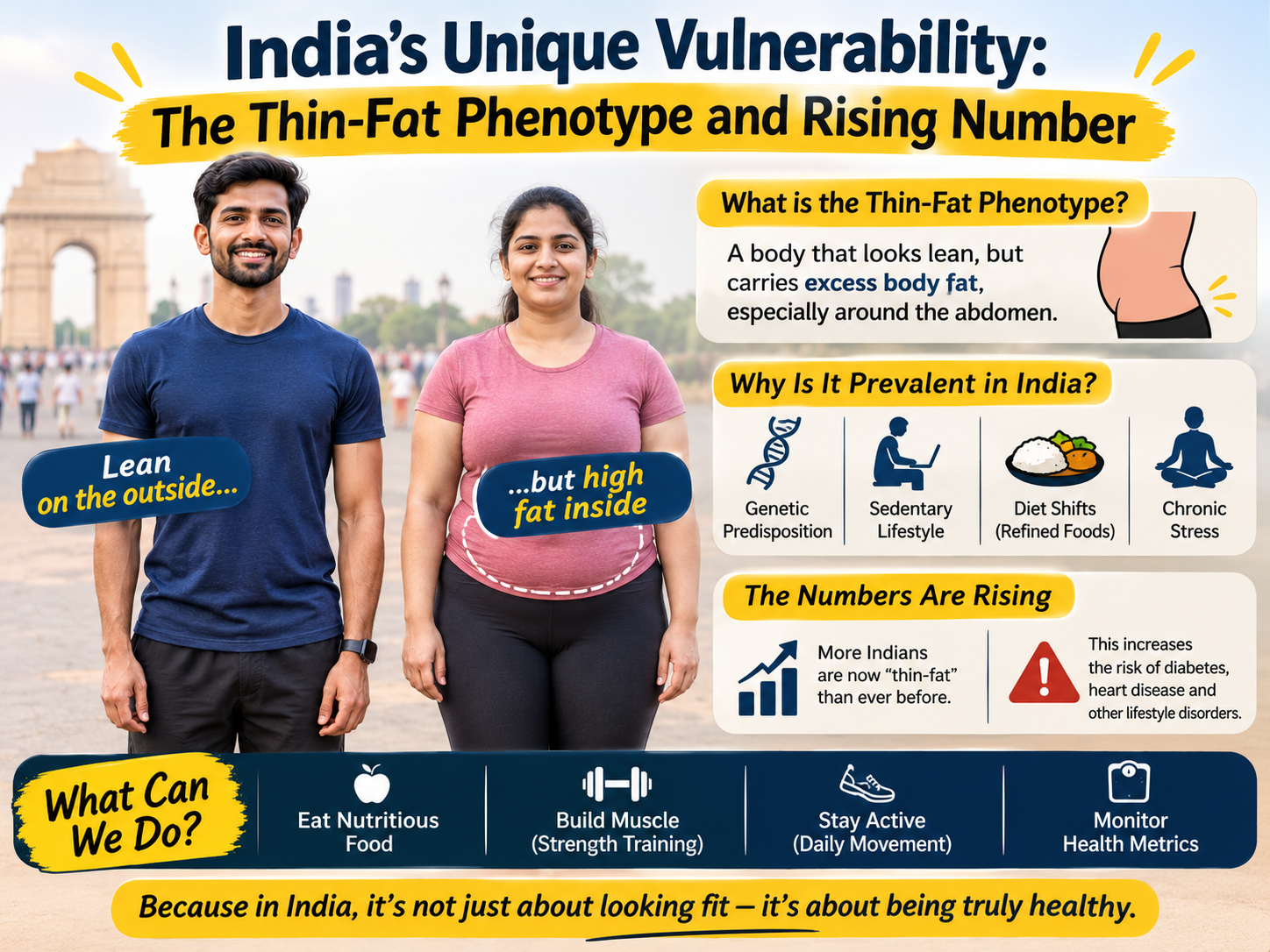
India’s Unique Vulnerability: The Thin-Fat Phenotype and Rising Numbers
India faces a stark reality. Roughly 100 million people live with diabetes and another 250 million are considered obese. Add undiagnosed cases and impaired glucose tolerance and the numbers climb higher still. Non-communicable diseases now account for around 60 percent of deaths in the country. Many of those deaths are labeled as heart attack, stroke, or kidney failure, yet the underlying drivers are frequently diabetes and obesity.
Indians carry a particular biological disadvantage often called the “thin-fat” phenotype. Even at a lower body mass index, visceral fat—the fat stored around organs—tends to be higher than in many other populations. That is why Indian guidelines treat a BMI of 23 as a warning zone and start classifying obesity concerns more seriously around 27 when other conditions are present. Worldwide the overweight threshold is usually 25; the Indian body responds differently.
Cultural factors compound the biology. In many North Indian households, a rounder face and fuller body still signal prosperity. Meals are often measured in number of chapatis rather than nutritional balance. Processed and packaged foods pack more calories into every gram. Children’s waistlines are expanding even as government nutrition programs continue. The combination of genetic predisposition shaped by historical food scarcity, rapid lifestyle change, aging, and an obesogenic environment creates a perfect storm for metabolic disease.
Obesity is not simply laziness. It is the body’s ancient strategy for surviving famine meeting a modern environment of constant caloric abundance. Once obesity is established, it becomes the gateway to more than 200 related conditions—diabetes, hypertension, heart disease, joint problems, infertility, certain cancers, depression, and more.
The Real Risks of Using Ozempic Without Medical Supervision
The most consistent message from the discussion is clear: this is not a casual lifestyle drug. Taking semaglutide or similar GLP-1 medications without proper evaluation and follow-up carries real risks. Gastrointestinal side effects such as nausea, vomiting, diarrhea, and constipation are common, especially at the beginning. More serious concerns can include gallbladder issues, dehydration leading to kidney stress, and, in rare cases, other complications. People with certain thyroid conditions or a personal or family history of medullary thyroid cancer are generally advised against these drugs.
There is also the psychological and societal pressure. In some circles thinner equals cooler, amplified by celebrity culture and social media. Using a powerful medication purely for appearance, without addressing underlying health or lifestyle, can create new problems. Weight often returns if the drug is stopped without lasting habit changes. Metabolic disorders are chronic, progressive, and relapsing. Medication helps manage them; it does not permanently erase the predisposition.
Doctors stress early diagnosis and intervention. Many people live for years with undiagnosed or undertreated diabetes and obesity because symptoms are dismissed as normal aging. Polyuria, polydipsia, fatigue, and changing sleep or exercise capacity should prompt routine blood work after age 30. Catching problems early prevents the cascade into kidney disease, nerve damage, eye complications, and cardiovascular events. Half of people on dialysis, for example, have diabetes as a major contributing factor.
Lifestyle, Mindset, and the Limits of Medication
Medication can restore a sense of possibility. People who have failed repeatedly at weight loss often experience a profound shift when the scale finally moves. That renewed belief matters. Identity and body image are tightly linked; feeling healthier frequently improves posture, confidence, and mental energy.
Yet no drug can substitute for the fundamentals. Balanced meals with adequate protein, fiber, healthy fats, and controlled carbohydrates remain essential. Regular movement, sleep, stress management, and avoiding excessive processed foods form the foundation. Experts describe the current situation as “too good to die, too bad to live”—modern medicine keeps people alive longer while metabolic dysfunction quietly erodes quality of life.
Cultural myths also need updating. The idea that a lean body means a child is not eating properly still persists in some families. Redefining health around energy, strength, lab markers, and longevity rather than appearance alone is slow but necessary work. Parents, schools, and communities all play a role.
For those already diagnosed, early and appropriate use of therapies—including insulin when needed—can dramatically improve outcomes. Insulin is a natural hormone; when the pancreas can no longer produce enough, replacing it is no more “unnatural” than using glasses or a hearing aid. Delaying necessary treatment out of fear often does more harm than good.
What Comes Next: Generics, Access, and Long-Term Management
Summary and Call to Action
Ozempic and similar GLP-1 medicines represent a genuine advance in understanding and treating the biology of obesity and diabetes. They quiet hunger signals that willpower alone cannot reliably overcome and can produce life-changing weight loss and metabolic improvement when used correctly. They are not, however, a free pass. Unsupervised use for lifestyle reasons undermines safety and misses the larger opportunity to address root causes.
The truth is both hopeful and demanding. India can reverse the trajectory of its twin epidemics through earlier diagnosis, honest conversations about culture and food, consistent lifestyle foundations, and responsible medical treatment when needed. Start with awareness—get screened, talk to a qualified doctor, and treat metabolic health as the long-term project it is.
If this discussion resonated, share it with someone who might benefit from clearer information. Better yet, schedule a routine health check and begin the conversation with a healthcare professional about your own risk factors. Sustainable change begins with accurate understanding and consistent action.