
 For Individuals
 For Enterprises
 Coaching Matters
 International Coaching Week
 Ebooks
 Podcasts
 Blogs
Blogs Community
Developing Emotional Intelligence for Thoughtful Leadership
As a leadership coach with years of guiding executives, entrepreneurs, and public servants, I've witnessed the profound impact of emotional intelligence (EI) on leadership effectiveness. Emotional intelligence—the ability to understand and manage your emotions while empathizing with others—is not just a soft skill; it's the cornerstone of transformative leadership. In a world that often glorifies technical expertise or charisma, EI is the quiet force that enables leaders to navigate complexity, inspire trust, and foster meaningful change.
Today, I want to share a key leadership principle drawn from the remarkable journey of Vivek Srivastava, a distinguished IPS officer whose career spans over three decades, serving under three Indian Prime Ministers and leading critical operations in national security. His story, as shared in a recent episode of The X Months Drive, offers profound lessons for leaders striving to cultivate emotional intelligence, clarity, and presence. The principle we'll explore is leading with clarity through emotional intelligence, a practice that combines self-awareness, empathy, and decisive action to create impactful leadership.
This blog post is for you—whether you're an aspiring leader, a seasoned executive, or someone navigating the complexities of influence in any domain. Through Vivek's experiences and my reflections as a coach, I'll guide you on how to develop EI, maintain clarity under pressure, and cultivate a presence that inspires others. At the end, I'll share reflection questions to help you integrate these insights into your leadership journey.
The Principle: Leading with Clarity Through Emotional Intelligence
Clarity in leadership is not just about having a vision or making decisions; it's about aligning your emotions, values, and actions to inspire trust and drive results. Emotional intelligence fuels this clarity by enabling leaders to:
- Understand themselves: Recognize their emotional triggers, biases, and strengths.
- Empathize with others: Connect with the needs, fears, and aspirations of their teams or stakeholders.
- Make balanced decisions: Act decisively while considering the human impact of their choices.
Vivek Srivastava's career exemplifies this principle. As a young IPS officer in Surat during the 1992 riots, he faced the chaos of communal violence with 170 lives lost in his jurisdiction. Later, as Director of the Special Protection Group (SPG), he managed the security of Prime Ministers in high-stakes environments, including an impromptu visit to Pakistan. In each role, Vivek demonstrated clarity not through force or bravado but through emotional intelligence—listening intently, empathizing with diverse stakeholders, and making decisions grounded in purpose.
As a leader, you may not face riots or international diplomacy, but you will encounter moments of crisis, conflict, or uncertainty. Emotional intelligence allows you to remain grounded, connect authentically, and act with conviction. Let's explore how Vivek's journey can inspire you to cultivate these qualities, supported by coaching reflections and practical steps.
Lesson 1: Self-Awareness as the Foundation of Clarity
Vivek's story begins with a personal transformation. As a student, he struggled until a pivotal realization: memorizing just before exams was ineffective, but consistent learning built lasting knowledge. This shift in mindset—from short-term cramming to long-term absorption—reflects a deep self-awareness that shaped his leadership.
Self-awareness is the first pillar of emotional intelligence. It's about understanding your emotional triggers, values, and limitations. Vivek's ability to reflect on his learning process as a student translated into his leadership approach. For instance, during the Narmada Dam protests as SP of Baroda Rural, he chose to engage directly with activists like Medha Patkar. Instead of resorting to force, he rode a motorcycle to their village, unarmed, and initiated a dialogue. This decision stemmed from self-awareness: he knew his role was to maintain peace, not escalate conflict, and he trusted his ability to communicate intent.
Coaching Reflection: How often do you pause to understand your emotional state before making a decision? Many leaders act reactively, driven by stress or ego, only to regret their choices later. Self-awareness requires deliberate reflection. Vivek's approach teaches us that clarity emerges when you align your actions with your core values, even in high-pressure situations.
Actionable Step: Practice daily journaling for 10 minutes. Reflect on a recent leadership challenge—What emotions did you feel? What triggered them? How did they influence your decisions? Over time, this practice will help you identify patterns and make choices that align with your purpose.
Lesson 2: Empathy as a Bridge to Connection
Vivek's interaction with protesters during the Narmada Dam agitation highlights the second pillar of emotional intelligence: empathy. By entering the activists' space and acknowledging their cause, he diffused tension and prevented violence. He recognized that the protesters were not criminals but citizens with a legitimate perspective, even if he disagreed with their methods. This empathetic approach built trust, allowing him to maintain order without force.
Empathy in leadership is about seeing the world through others' eyes—whether it's your team, stakeholders, or even adversaries. Vivek's ability to empathize extended to his role in the SPG, where he balanced the security needs of Prime Ministers with their desire to connect with the public. For instance, he described the delicate balance of ensuring safety while allowing leaders like Narendra Modi to engage with crowds, acknowledging the political necessity of accessibility.
Coaching Reflection: Empathy doesn't mean agreeing with everyone; it means understanding their perspective enough to find common ground. As a leader, when was the last time you truly listened to someone whose views opposed yours? Vivek's story reminds us that empathy transforms conflict into collaboration. By listening to understand, not to respond, you create a space where others feel valued, fostering loyalty and cooperation.
Actionable Step: In your next team meeting, practice active listening. When someone speaks, resist the urge to interrupt or formulate a response. Instead, paraphrase their point to confirm understanding (e.g., "What I hear you saying is…"). This builds trust and encourages open dialogue.
Lesson 3: Decisive Action Rooted in Purpose
The third pillar of emotional intelligence in leadership is the ability to manage emotions to make balanced, purposeful decisions. Vivek's handling of an impromptu visit to Pakistan in 2015 is a masterclass in this skill. When Prime Minister Narendra Modi accepted an invitation from Nawaz Sharif to visit Pakistan, Vivek was initially stunned. The security risks were immense, yet he quickly assessed the situation: the element of surprise, Nawaz Sharif's personal investment in hospitality, and the controlled environment of Lahore. By managing his initial shock and focusing on the mission, Vivek orchestrated a flawless visit.
This moment underscores a critical leadership truth: clarity in decision-making comes from aligning emotional responses with a higher purpose. Vivek's purpose was to ensure the Prime Minister's safety while respecting his diplomatic goals. By staying grounded, he turned a high-risk situation into a success.
Coaching Reflection: How do you make decisions under pressure? Emotional intelligence enables leaders to pause, process emotions, and act in alignment with their values. Vivek's ability to shift from shock to strategic thinking highlights the power of purposeful decision-making. As a leader, your decisions ripple outward, affecting teams, organizations, and communities. Clarity comes when you anchor your actions in a purpose larger than yourself.
Actionable Step: Before making a significant decision, ask yourself: "What is the long-term impact of this choice? Does it align with my values and the organization's mission?" Write down your answers to clarify your intent and reduce emotional reactivity.
Lesson 4: Presence as a Catalyst for Influence
Presence—the ability to command attention and inspire confidence—is the culmination of emotional intelligence. Vivek's career is marked by moments where his presence shaped outcomes. Whether addressing protesters, briefing Prime Ministers, or leading the SPG, his calm, confident demeanor instilled trust. His reputation as a leader who "means business" and "stands by his word" amplified his influence.
Presence is not about being loud or domineering; it's about authenticity and emotional grounding. Vivek's ability to remain composed during crises, like the solvent scam investigation or the Pakistan visit, demonstrates how presence inspires others to follow. His subordinates in the Gujarat Police never let him down, a testament to the trust his presence fostered.
Coaching Reflection: Your presence as a leader sets the tone for your team. Are you showing up as your authentic self, or are you masking insecurities with bravado? Vivek's story teaches us that true presence comes from emotional intelligence—knowing yourself, connecting with others, and acting with purpose. When you embody these qualities, you create a ripple effect of trust and inspiration.
Actionable Step: Practice mindfulness to enhance your presence. Before a meeting or presentation, take three deep breaths and focus on your intention (e.g., "I want to inspire clarity and confidence"). This grounds you, helping you project authenticity and connect with your audience.
Integrating Emotional Intelligence into Your Leadership
Vivek Srivastava's journey offers a blueprint for developing emotional intelligence as a leader. Here's how you can apply these lessons:
- Build Self-Awareness: Regularly reflect on your emotions and their impact on your decisions. Use tools like journaling or feedback from trusted colleagues to uncover blind spots.
- Cultivate Empathy: Practice active listening and seek to understand diverse perspectives, especially in conflict. This builds trust and strengthens relationships.
- Act with Purpose: Align your decisions with your core values and long-term goals. Pause to assess the emotional and strategic implications of your choices.
- Embody Presence: Show up authentically, grounded in your values. Use mindfulness to stay calm and focused, even in high-pressure situations.
As a leadership coach, I've seen countless leaders transform by embracing emotional intelligence. One client, a tech CEO, struggled with team morale due to his abrupt communication style. By practicing active listening and reflecting on his emotional triggers, he rebuilt trust and increased team productivity by 20% within six months. Another client, a nonprofit director, used empathy to navigate stakeholder conflicts, turning a failing project into a community success story. These outcomes are possible for you, too, when you lead with clarity through emotional intelligence.
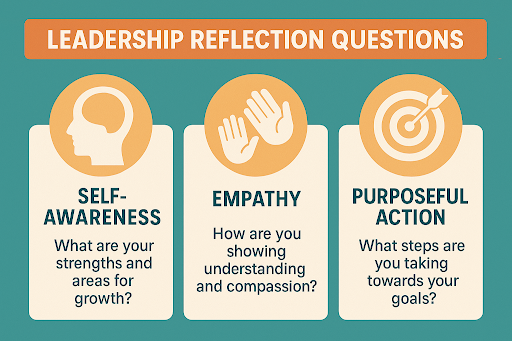
Leadership Reflection Questions
To deepen your growth as a leader, take time to reflect on these questions:
- Self-Awareness: What emotional triggers or biases might be clouding your decision-making? How can you create space to reflect before acting?
- Empathy: When was the last time you truly listened to someone with an opposing view? How might practicing empathy change your approach to a current leadership challenge?
- Purposeful Action: Are your decisions aligned with your long-term vision and values? What's one step you can take to ensure your actions reflect your purpose?
Conclusion: The Path to Thoughtful Leadership
Leadership is not about titles or authority; it's about the impact you create through clarity, connection, and purpose. Vivek Srivastava's career illustrates how emotional intelligence transforms challenges into opportunities. From navigating riots to securing Prime Ministers, his ability to stay self-aware, empathetic, and decisive made him a leader others trusted and followed.
As you reflect on your own leadership journey, remember that emotional intelligence is a skill you can develop. It starts with small, intentional steps—journaling to understand your emotions, listening to connect with others, and aligning your decisions with a higher purpose. These practices will not only make you a better leader but also a more fulfilled human being.
Take a moment today to commit to one actionable step from this post. Share your reflections with a trusted colleague or mentor, and consider how you can inspire others to lead with emotional intelligence. The world needs thoughtful leaders like you—leaders who lead with clarity, connect with empathy, and act with purpose. Embrace this journey, and watch how your leadership transforms those around you.