
 For Individuals
 For Enterprises
 Coaching Matters
 International Coaching Week
 Ebooks
 Podcasts
 Blogs
Blogs Alchemy
Scary & Insane — Avalanche, Frostbite And Fake Rescues | Kaamya Karthikeyan
At just 18 years old, Kaamya Karthikeyan has achieved what most seasoned mountaineers only dream of: completing the Seven Summits, skiing to the South Pole, and standing atop Mount Everest. Her journey is filled with breathtaking highs and terrifying lows — from surviving a deadly avalanche that claimed the lives of close family friends to battling frostbite in Antarctica and navigating the controversial realities of commercial Everest expeditions, including fake rescues.
In this in-depth conversation, Kaamya shares raw, unfiltered stories of determination, family bonds forged on the mountain, and the mental resilience required to push one foot in front of the other when everything screams to turn back. Whether you're an aspiring adventurer, a fitness enthusiast, or simply inspired by stories of human limits, her experiences offer powerful lessons for conquering personal "Everests."
From Mumbai Flatlands to 7,000m Summits: The Making of a Young Mountaineer
Kaamya’s love for mountains began not in the Himalayas but in the backyard hills of Lonavala. As a child with a father in the Indian Navy who frequently went on expeditions, she wondered why the mountains kept calling him back. Her mother took the bold step of introducing her to trekking during summer breaks after first grade.
What started as simple treks in Uttarakhand quickly escalated. Kaamya progressed to high-altitude peaks, eventually climbing Aconcagua (6,962m) at age 12, becoming the youngest girl to summit at the time.
“I didn’t even know about the world record before I climbed it,” she recalls. “We Googled it after coming back down.”
Her early expeditions taught her that mountaineering is as much about overcoming external obstacles (permits, skeptical guides, weather) as internal ones. These formative years built the foundation for her pursuit of the Explorers Grand Slam — climbing the Seven Summits and reaching both poles.
The Epic Everest Summit Push: Whiteouts, Lost Gloves, and 21-Hour Marathons
Kaamya’s Everest story is a masterclass in adaptability. Her summit push from Camp 4 was delayed by extreme winds, forcing a late start at 1:30 AM — something her Sherpa, with 13 prior Everest summits, had never done.
Key challenges included:
- Whiteout conditions crossing the Lhotse Face and Yellow Band in zero visibility.
- Losing a critical expedition mitten to high winds on a ridge, nearly ending her climb.
- Her Sherpa’s selfless act: giving her his own mitten while continuing in fleece gloves.
Despite these obstacles, she reached the summit in about 8 hours — a strong time — but the descent was grueling. The team pushed through the night, totaling 21 continuous hours at extreme altitude where “your body is dying every single moment.”
Turnaround times (typically noon on Everest) were extended to 3 PM due to conditions, highlighting how weather dictates everything on the world’s highest peak.
Facing Death on the Mountain: The Trishul Avalanche Tragedy
One of the most haunting parts of Kaamya’s journey came during a 2021 expedition on Mount Trishul. While resting at Camp 2, a massive avalanche struck, sweeping away five close family friends and a Sherpa from her father’s naval team.
The emotional toll was immense. At high altitude, even grieving is physically restricted. Kaamya held onto hope, recalling past rescues, but only bodies were recovered. This tragedy reinforced a submariner mindset from her father: those lost in the mountains remain on “eternal patrol,” watching over future climbs.
This experience profoundly shaped her respect for the mountains’ power and the importance of conservative decision-making.
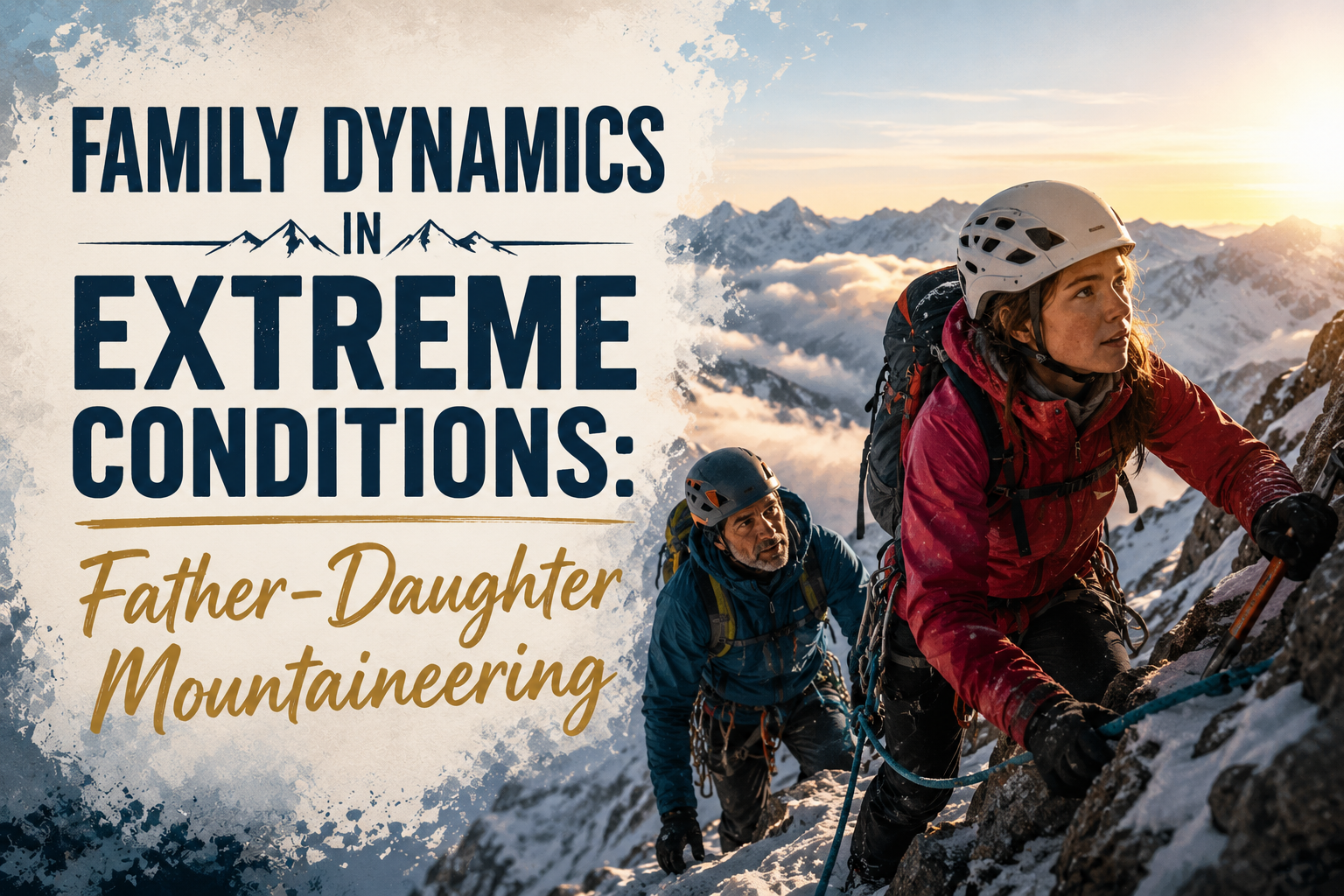
Family Dynamics in Extreme Conditions: Father-Daughter Mountaineering
Climbing with her father has been central to Kaamya’s story. From protective coach to trusted teammate, their relationship evolved through expeditions like Denali (the toughest of the Seven Summits), which they tackled unguided as a small Indian team.
On Denali, they faced melting glaciers, thousands of crevasses, and isolation so severe they left emergency instructions with Kaamya’s mother. These shared trials transformed their dynamic from parent-child to mutual respect between teammates.
Key lesson: In mountaineering, knowing when to turn back is more important than physical strength. Kaamya credits her father with teaching her to listen to the mountain rather than ego.
Beyond Everest: South Pole, Explorers Grand Slam, and Future Goals
After Everest, Kaamya completed the South Pole “Last Degree” expedition — 111 km of monotonous skiing while pulling a 40-50 kg sled in -30°C conditions. She faced frostbite, medical scares, and the psychological strain of featureless white terrain.
This solo (without parents) journey tested her resilience deeply. She convinced doctors to let her continue after injury concerns, reinforcing her determination.
Now focusing on ski mountaineering (a new Olympic sport), Kaamya has already won national medals and represented India internationally. She plans the North Pole to complete the Explorers Grand Slam and continues exploring Himalayan peaks.
Her long-term vision includes using drone technology to make mountaineering safer and more sustainable for Sherpas.
Preparation, Sherpas, and the Dark Side of Commercial Climbing
Kaamya emphasizes that preparation is harder than the climb itself. Her training includes long runs, stair climbing with backpacks (especially useful during COVID), cycling, and mental conditioning through prior expeditions.
She stresses three pillars of confidence:
- Confidence in yourself
- Confidence in your Sherpa
- Confidence in your equipment
While praising the integral role of Sherpas, Kaamya addresses concerning trends in commercial Everest climbing, such as fake rescues and over-dependence on guides. She supports stricter prerequisites by Nepal authorities to ensure climbers have adequate experience, reducing risks and exploitation.
Mental Resilience: One Step at a Time
When asked about pushing through whiteouts or exhaustion, Kaamya references advice from late Captain Kohli: “Put your head down and put one foot in front of the other.”
This philosophy applies beyond mountains — in careers, studies, or personal challenges. Focus on the next step rather than the entire overwhelming journey.
Actionable advice from Kaamya:
- Start small: You don’t need Everest to be a mountaineer.
- Embrace discomfort: Mountains offer detachment from daily stress and raw human connection.
- Build resilience through progressive challenges.