
 For Individuals
 For Enterprises
 Coaching Matters
 International Coaching Week
 Ebooks
 Podcasts
 Blogs
Blogs Community
The Entrepreneurial Edge: Mastering Resilience in the Face of Uncertainty
As an entrepreneurship coach with over two decades of guiding founders through the exhilarating and often brutal journey of building businesses from scratch, I’ve witnessed the full spectrum of what it takes to succeed—or fail—in the entrepreneurial world. Success isn’t about having the perfect idea, the most funding, or the loudest pitch. It’s about resilience: the ability to keep moving forward when the ground beneath you feels like quicksand. This blog post dives into the mindset shift that separates enduring entrepreneurs from those who burn out, practical ways to navigate the chaos of starting a business, and actionable strategies to cultivate resilience. Let’s cut through the noise and get to the core of what it means to build something meaningful in an unpredictable world.
The Central Lesson: Resilience is Your Superpower
The entrepreneurial journey is a marathon, not a sprint, and resilience is the fuel that keeps you running. It’s not about avoiding failure—failure is inevitable. Instead, it’s about how you respond when things go wrong, when doubts creep in, or when the world seems to conspire against your vision. Resilience isn’t a personality trait you’re born with; it’s a muscle you build through deliberate practice, reflection, and action.
I’ve coached founders who’ve lost their first big client, missed payroll, or watched a competitor swoop in with a better-funded version of their idea. What separates those who thrive from those who crumble is their ability to see setbacks as data, not defeat. As Anupam Arun, a seasoned leader, shared in a recent podcast, “The darkest hour is before the dawn. If you could just hold on for that one more effort, you may have.” This resonates deeply in entrepreneurship: the moment you feel like giving up is often the moment you’re closest to a breakthrough.
Resilience isn’t blind optimism or stubborn persistence. It’s about grounding yourself in a purpose larger than immediate outcomes, staying adaptable, and taking the next step even when the path isn’t clear. Entrepreneurs who master this mindset don’t just survive uncertainty—they thrive in it.
Real-World Challenges and How to Approach Them
1. The Cash Crunch: When Resources Run Dry
Every founder will face a moment when the bank account is dangerously low. Maybe you’ve bootstrapped too long, or a promised investment fell through. The stress of a cash crunch can paralyze even the most driven entrepreneur.
How to Approach It:- Reframe the Constraint: Scarcity forces creativity. Instead of panicking, view limited resources as a chance to innovate. Can you barter services with a vendor? Pivot to a leaner business model? One founder I coached turned a cash shortage into an opportunity by offering pre-sales at a discount, generating revenue before production.
- Prioritize Ruthlessly: Focus on what moves the needle. Identify your top revenue-generating activities and cut everything else. Use the 80/20 rule: 20% of your efforts likely drive 80% of your results.
- Communicate Transparently: If you’re struggling to make payroll or pay vendors, be honest with your team and stakeholders. Transparency builds trust and can lead to creative solutions, like deferred payments or equity offers.
Actionable Step: Create a “survival budget” that outlines the bare minimum needed to keep your business alive for 90 days. List every expense, then slash non-essentials. Review this weekly to stay laser-focused.
2. The Imposter Syndrome Trap: Doubting Your Worth
Imposter syndrome hits hardest when you’re surrounded by “experts” who seem to have it all figured out. You’re pitching to investors who throw around jargon like AI, blockchain, or SaaS metrics, and suddenly you feel like a fraud. As Anupam noted, even at the height of his career, he faced moments of self-doubt, questioning his adequacy as a non-technical leader in a tech-driven company.
How to Approach It:- Own Your Unique Value: You don’t need to be the smartest person in the room. Your job as a founder is to orchestrate, not to play every instrument. Focus on your strengths—whether it’s vision, relationship-building, or problem-solving—and hire or partner with specialists to fill gaps.
- Reframe Expertise: Technical jargon is just a language, not a measure of your worth. Break it down to its core: what problem does this technology solve? Ask questions to demystify buzzwords. I once coached a founder who felt out of depth in AI discussions but learned to ask, “How does this tool improve our specific process?” That simple question shifted the conversation to her terms.
- Document Your Wins: Keep a “victory log” of every milestone, no matter how small. Reviewing it during low moments reminds you of your progress and counters the inner critic.
Actionable Step: Write down three things you’ve accomplished in your business this month, no matter how minor they seem. Then, identify one area where you feel “less than” and find a mentor or resource (e.g., a course, book, or advisor) to bridge that gap.
3. The Isolation of Leadership: Carrying the Weight Alone
Entrepreneurship can be lonely. You’re the one making tough calls—laying off staff, pivoting strategies, or admitting a product isn’t working. Anupam shared a powerful story about the emotional toll of firing a senior leader and how avoiding the conversation initially backfired. The lesson? Being human is more important than being “the boss.”
How to Approach It:- Build a Support Network: Surround yourself with other founders, mentors, or a coach who can relate to your struggles. Join a mastermind group or attend industry meetups. Sharing your challenges with peers who “get it” reduces isolation.
- Practice Emotional Awareness: Before making tough decisions, check in with yourself. Are you angry? Stressed? Afraid? Acknowledge these emotions without judgment, then decide how to act. A founder I worked with started journaling for 10 minutes before big decisions to clear her head and avoid reactive choices.
- Lead with Empathy: Tough calls, like layoffs, require honesty and compassion. Deliver bad news in person (or via video if remote), explain the reasoning, and offer support, like references or networking introductions. This builds trust and preserves relationships.
Actionable Step: Identify one person—a mentor, peer, or coach—you can call when you’re feeling overwhelmed. Schedule a recurring check-in with them, even if it’s just 30 minutes a month, to talk through challenges.
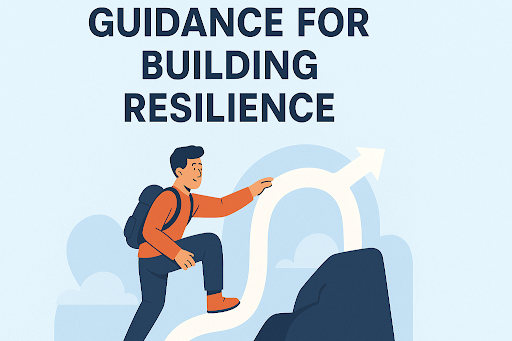
Actionable Guidance for Building Resilience
- Anchor in Purpose: Your “why” is your north star. Write down why you started your business and revisit it during tough times. Anupam’s purpose evolved to focus on uplifting others, which gave him clarity in both parenting and leadership. Your purpose doesn’t have to be grandiose—it could be providing for your family or solving a specific customer pain point.
Action: Create a one-sentence mission statement for your business. Tape it to your desk or phone as a daily reminder. - Embrace Movement Over Perfection: As Anupam said, “I’m a big fan of movement.” Paralysis comes from overthinking outcomes. Take the next step, even if it’s small. Launch a minimum viable product, send that cold email, or test a new marketing channel. Action creates momentum, which drowns out doubt.
Action: Identify one task you’ve been avoiding (e.g., pitching to an investor). Break it into the smallest possible step (e.g., drafting the email subject line) and do it today. - Learn to Unlearn: Staying relevant means letting go of what no longer serves you. Anupam emphasized “learning humility”—the willingness to admit you don’t have all the answers and to seek new knowledge. If your industry shifts (e.g., AI disrupts your market), don’t cling to old methods. Study the change and adapt.
Action: Dedicate one hour a week to learning something new about your industry—read a report, take a course, or listen to a podcast. Then, apply one insight to your business. - Simplify Your Vision: Complex plans dilute impact. Anupam learned from Jack Welch that a leader’s success is measured by how well their vision resonates with the frontline. Make your goals clear and repeatable. If your team or customers can’t explain your mission in one sentence, it’s too complicated.
Action: Test your business’s core message. Ask three people (team members, customers, or friends) to explain what your company does. If their answers don’t align, refine your pitch. - Pay It Forward: Resilience grows when you help others. Anupam’s commitment to mentoring and giving back to his community fueled his sense of purpose. Share your knowledge, mentor a new founder, or volunteer in your industry. It reminds you that your work matters beyond profit.
Action: Offer one hour of your time this month to help someone in your network—answer their questions, review their pitch, or share a resource.
Reflective Questions for Entrepreneurs
- What’s Your “Why”? Why did you start this business, and how does that purpose guide you through tough decisions? If you’re feeling lost, how can you reconnect with that original spark?
- Where Are You Stuck? Identify one area where fear or doubt is holding you back. What’s the smallest step you can take today to move forward?
- Who’s in Your Corner? Who do you turn to when the pressure mounts? If you don’t have a support network, how can you start building one this week?
The Long Game: Embracing the Glorious Uncertainty
Entrepreneurship is a journey of “glorious uncertainty,” as Anupam beautifully put it. You can’t predict the future, but you can control how you show up today. Resilience isn’t about never falling—it’s about getting up one more time than you fall. Every setback, every doubt, every cash crunch is a chance to learn, adapt, and grow stronger.
I’ve seen founders turn failing startups into million-dollar businesses by refusing to quit. One client, a first-time founder, lost her biggest customer and nearly shut down. Instead, she used the feedback to pivot her product, doubled down on customer outreach, and landed a contract that tripled her revenue. Her secret? She treated every failure as a question: “What can I learn from this, and what’s my next step?”
As you build your business, remember that resilience is your edge. It’s not about having all the answers or avoiding mistakes. It’s about staying human, staying curious, and staying in the game. The world needs your ideas, your hustle, and your heart. Keep moving, keep learning, and keep believing in the magic of what you’re building.