 For Individuals
 For Enterprises
 Coaching Matters
 International Coaching Week
 Ebooks
 Podcasts
 Blogs
Blogs Alchemy
The Rise of Young Luxury Buyers in India
Hardeep Singh Brar highlights a striking generational shift. Traditionally, Indians envisioned luxury cars in their 40s after decades of saving. Today, nieces and nephews tell him they're ready when "that moment arrives" — they've done well and want to reward themselves with the best.
Key drivers include:
- Rapid wealth creation through tech jobs, startups, and entrepreneurship, enabling earlier financial independence.
- YOLO mindset amplified by the pandemic: "Tomorrow I might not even live," leading to experiences over endless accumulation.
- Premiumization trend: The luxury segment (vehicles ~₹40-50 lakh+) has grown from 6-7% to nearly 1.1-1.2% of the market, with BMW projecting it could reach 5% by 2030 as incomes rise and more models enter higher price bands.
Brar notes that entry-level BMWs start around ₹50 lakh, requiring a certain net worth. Buyers know "what it takes to be successful" and demand perfection. Many in their 20s and 30s buy cash or with minimal EMI hesitation, viewing the purchase as a rightful indulgence rather than guilt-laden spending.
This aligns with broader data: India's luxury car sales crossed 50,000 units, with younger buyers (under 45) forming a larger share. BMW's average buyer age is notably low globally, reflecting Gen Z and millennial ambition.
From Kia Success to BMW Challenges: A Leader's Perspective
Brar's career offers a masterclass in adaptation. At Maruti Suzuki, he experienced a "well-oiled machine" with deep cultural alignment and exceptional execution—engineers stayed long-term, and mandates flowed seamlessly.
Transitioning to Kia India (joined ~2021 after the 2019 launch), he helped scale from scratch. Kia invested a billion dollars upfront, launched with 300,000-unit capacity and 200 dealerships (now ~500), and focused aggressively on younger buyers with features like ventilated seats, air purifiers, mood lighting, and multiple powertrains.
Kia's winning formula:
- Deep consumer clinics at multiple product stages.
- Feature-loaded products at competitive prices (Seltos from ₹10-20 lakh with 18 variants).
- Bold marketing like "Badass" campaigns connecting across ages.
- Unmatched dealer and customer experience, ranking #1 even at high volumes.
Moving to BMW, the challenge flips: In mass-market (Kia), product and pricing solve ~70% of issues. In luxury, customer experience is paramount. Buyers expect "red carpet" treatment everywhere—personalized, trust-based relationships with sales consultants who become "consultants for life."
Brar shares stories of professors and doctors arriving humbly in simple attire, reminding teams: "Don't judge people by how they look." One standout: A Mumbai sales consultant (not even a direct salesperson) built such trust that a Four Seasons GM refers friends and routes all service through him.
Product, Pricing, and the Power of Consumer Insights
Brar emphasizes that product is the starting point of any business. At Kia, exhaustive consumer input shaped features and pricing. At BMW, the margin for error is tiny—buyers won't tolerate compromises.
He stresses understanding "hidden needs" beyond what consumers explicitly state (echoing Steve Jobs' view that people don't always know what they want). Examples include mood lamps, reclining rear seats, panoramic sunroofs with star effects, and advanced driver assistance—even if not directly requested, they delight when delivered at the right price by a trusted brand.
Value consciousness persists alongside premium desires:
- Buyers want sunroofs (despite India's climate), mood lighting, multi-zone AC, and connected features.
- Yet they scrutinize every rupee; a ₹20-30k difference can shift brands.
- In service, they demand spot-on quality, timing, and fair pricing.
Long-tail keyword integration: For those searching "how young Indians are buying BMW in their 20s" or "luxury car buying trends India," Brar’s insight is clear—success comes from blending visionary product development with deep consumer empathy.
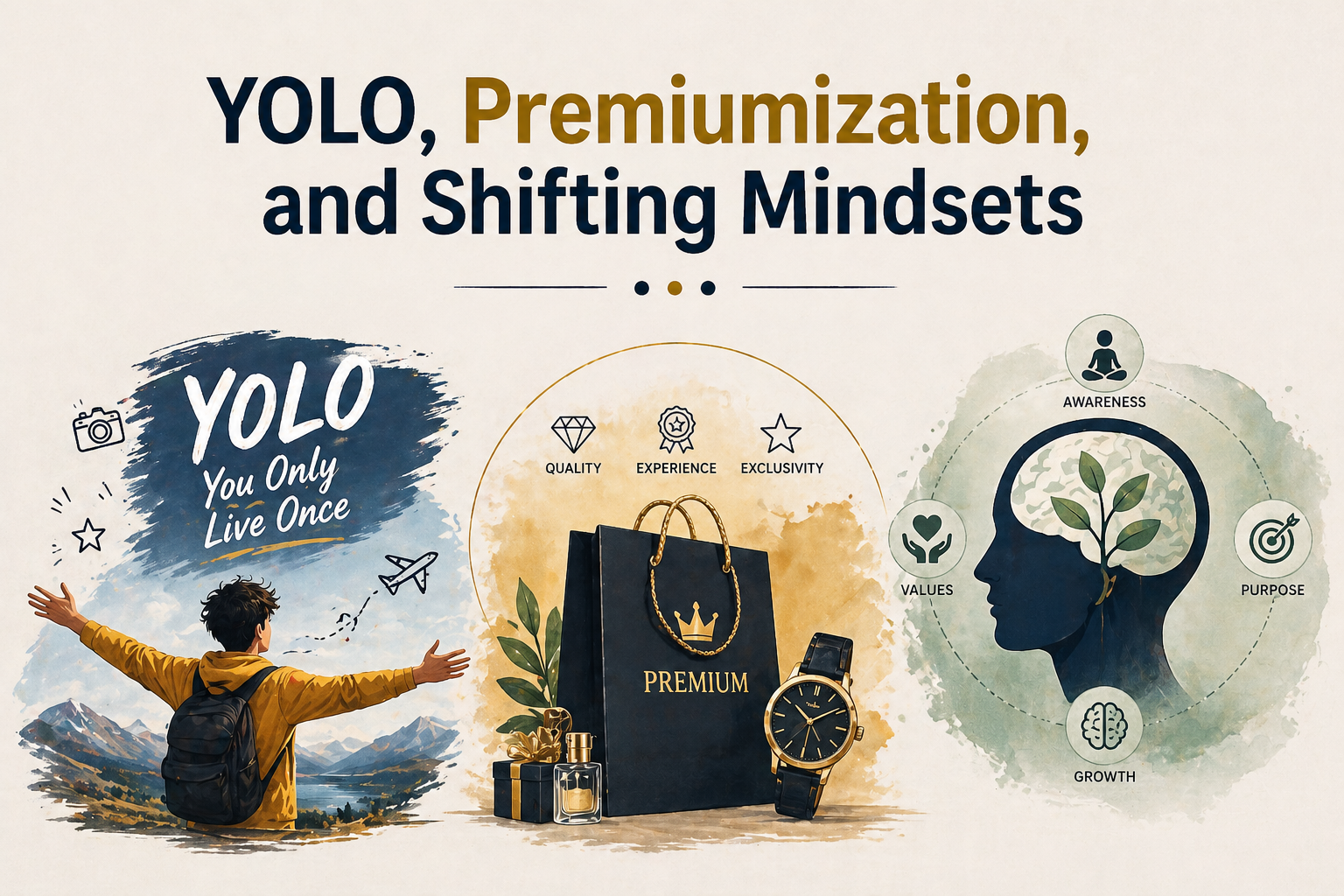
YOLO, Premiumization, and Shifting Mindsets
The average car price has nearly doubled in 6-7 years due to premiumization. People upgrade not just within segments but to true luxury.
Brar contrasts generations:
- Older ones (30+) focused on savings, investments, and legacy-building, sometimes feeling guilt over "indulgence."
- Younger ones live in the moment, prioritizing self-reward: "I worked hard... it's my right."
This shift mirrors Western consumerism but is accelerated in India by economic growth and recent uncertainties. Luxury is no longer deferred—it's an expression of arrival.
Brar views this positively: Young buyers are "absolutely right" to celebrate success without guilt.
Mastering Luxury Customer Experience
In luxury, relationships matter more than transactions. Brar recounts a sales professional on track to sell 1,000 BMWs lifetime through consistent trust-building.
Actionable advice for dealers and brands:
- Precise communication and word choice in the first 5 minutes.
- Build lifelong consultants, not one-time salespeople.
- Handle tough customers (e.g., rejecting a registered car over a minor scratch due to high registration costs) with empathy and compensation.
- Personalized treatment: Red carpet service, no compromises.
One humbling lesson: A minor factory scratch led to demands for repaint plus discounts, underscoring sky-high expectations.
The EV Landscape: Product Visionaries vs. Infrastructure Warriors
Brar predicts product will win over pure infrastructure plays. Challenges for EVs—higher upfront cost, range anxiety, charging—have eased:
- Price parity improving (BMW's BEVs nearly match ICE on-road in many cases, aided by lower GST and no registration in some states).
- Range now 300+ km (500+ for BMW), sufficient for most needs; future models eye 800 km.
- Financing rates normalized; residual value assurances offered.
- BMW's EV penetration: 21% (earlier) to 26% in recent quarters, vs. industry ~4% and luxury ~10%. In Q1 2026, every fourth BMW sold was electric, with strong market share leadership.
He cites upcoming Neue Klasse models and long-wheelbase appeal in India. While charging infrastructure grows, superior range and product excellence reduce dependency. BMW follows consumer behavior rather than chasing raw numbers—focusing on inputs like needs analysis yields outcomes.
Leadership Lessons and Personal Reflections
Brar shares vulnerable learnings:
- Early over-focus on losses (e.g., Zen diesel discontinuation) blinded him to petrol gains—learn to see the full picture and motivate teams.
- Underestimating rural/upcountry customers led to quality compromises; fix by maintaining premium feel everywhere.
- Not pushing hard enough on pricing for Nissan Kicks taught the value of early advocacy.
On leadership evolution: Shift from detail-oriented "push" (telling what to do) to inspirational "pull"—motivating teams to find answers, sparking intrinsic drive through questions and nudges.
Personally, he strives for authenticity: Minimal difference between office and home persona. "What you think, what you mean, and what you say—if in sync, everything is sorted." He wants to be remembered as reasonable, humane, and a good leader.
His dream car? Convertibles like the MINI or M440i for that sense of freedom, despite Indian weather.
Summary & Call-to-Action (CTA)
Hardeep Singh Brar's insights reveal a transforming India where young, ambitious buyers are accelerating luxury car adoption through a potent mix of YOLO spirit, premiumization, and demand for flawless experiences. From Kia's feature-packed disruption to BMW's relationship-driven excellence and EV leadership, success hinges on obsessive consumer understanding, visionary products, and adaptive leadership.
Whether you're a young professional eyeing your first luxury car, a marketer decoding premium trends, or an industry professional, the message is clear: Listen deeply, deliver beyond expectations, and embrace the shift toward experiential living.
What’s your take? Have you noticed younger buyers in luxury showrooms? Share your thoughts in the comments, or tell us which BMW model excites you most for the Indian market. Subscribe for more CEO interviews and auto industry deep-dives, and explore BMW India's latest offerings to experience the "Sheer Driving Pleasure" firsthand.