
 For Individuals
 For Enterprises
 Coaching Matters
 International Coaching Week
 Ebooks
 Podcasts
 Blogs
Blogs Alchemy
# Why Alankrita's Bold Films Still Scare Bollywood in 2026 | Lipstick Under My Burkha, Made in Heaven
In an industry often criticized for playing it safe, filmmaker Alankrita Shrivastava continues to challenge norms with unflinching stories centered on women's desires, rebellions, and inner lives. From the groundbreaking Lipstick Under My Burkha to her work on Made in Heaven, her films and series have sparked conversations about the female gaze in Indian cinema and the persistent barriers faced by women storytellers. In this deep dive into her insightful podcast conversation, we explore why her bold approach still unsettles mainstream Bollywood in 2026, the personal and professional battles behind her success, and the enduring power of authentic feminist narratives.
Alankrita Shrivastava’s path into filmmaking began with hands-on experience as an assistant director on Prakash Jha’s Raajneeti. She describes the overwhelming scale of a big-budget set—massive film cameras, steady cams, cranes, and crews of 200-300 people—as both intimidating and exhilarating. Early mistakes taught her resilience, especially after a direct conversation with Jha that pushed her to “step up” rather than seek comfort.
This foundation shaped her evolution. Starting with her debut feature Turning 30 (shot between Raajneeti schedules in 2009), she transitioned from instinctive storytelling to a more self-aware approach. Today, she emphasizes knowing oneself deeply as a filmmaker: “Every film emerges from who you are at that moment.”
Her growth reflects broader shifts in understanding personal identity and societal observation. As someone who loves people-watching and chatting with diverse individuals—from salon workers to household help—she draws inspiration from real-life complexities, turning everyday observations into nuanced characters.
The Making and Censorship Battle of Lipstick Under My Burkha {#lipstick}
Lipstick Under My Burkha (2017) remains Alankrita’s most defining work and a landmark in discussions around Alankrita Shrivastava Lipstick Under My Burkha challenges. Written in 2014, the film faced significant hurdles post-production: distribution rejections and a outright refusal of certification by the censor board, which deemed it too “lady-oriented.”
The battle was deeply personal. While the film garnered international acclaim and awards at festivals, it struggled for a theatrical release in India. Alankrita fought not just for her film but for the principle that women’s stories—representing 50% of the population—deserve to be told. The film eventually reached theaters after a tribunal reversal, proving both commercially viable and culturally resonant.
She balances this with personal loss, noting her father’s illness and passing during production. Her practice of Buddhism (Soka Gakkai) provided emotional sustenance amid the turmoil. In 2026, the film’s legacy endures, still symbolizing resistance against systemic suppression of bold female narratives.
Key Challenges Highlighted:
- Censorship issues that delayed release and limited visibility.
- Distribution battles for non-mainstream films.
- Balancing global love with domestic discomfort.
Crafting the Female Gaze: Themes of Desire, Rebellion, and Agency {#female-gaze}
Central to Alankrita’s work is the female gaze in Indian cinema—a perspective that prioritizes women’s interiority, desires, dreams, and rebellions over male-centric tropes. In Lipstick Under My Burkha, she explored the feeling of being “chained and trapped” through characters from varied milieus, moving beyond her own urban experience.
Her characters often exist in states of rebellion—quiet, secret, or loud—challenging the status quo. Whether it’s women seeking freedom, agency, or simply a space to dream, her stories reject black-and-white morality for complex human portrayals. She finds inspiration in observing how women navigate unfulfilled aspirations, societal expectations, and the pull of ambition.
This approach distinguishes her from traditional Bollywood. As she notes, popular culture has long shown the world through “patriarchal eyes,” reducing women to supportive roles or stereotypes (brave, pure, or vampish). Her films present them as full-bodied individuals with laughter, tears, desires, and flaws.
Recent projects like Dolly Kitty Aur Woh Chamakte Sitare and her short Bandra Christmas continue exploring class barriers, aspiration, and the denial of opportunities, themes that remain relevant in 2026.
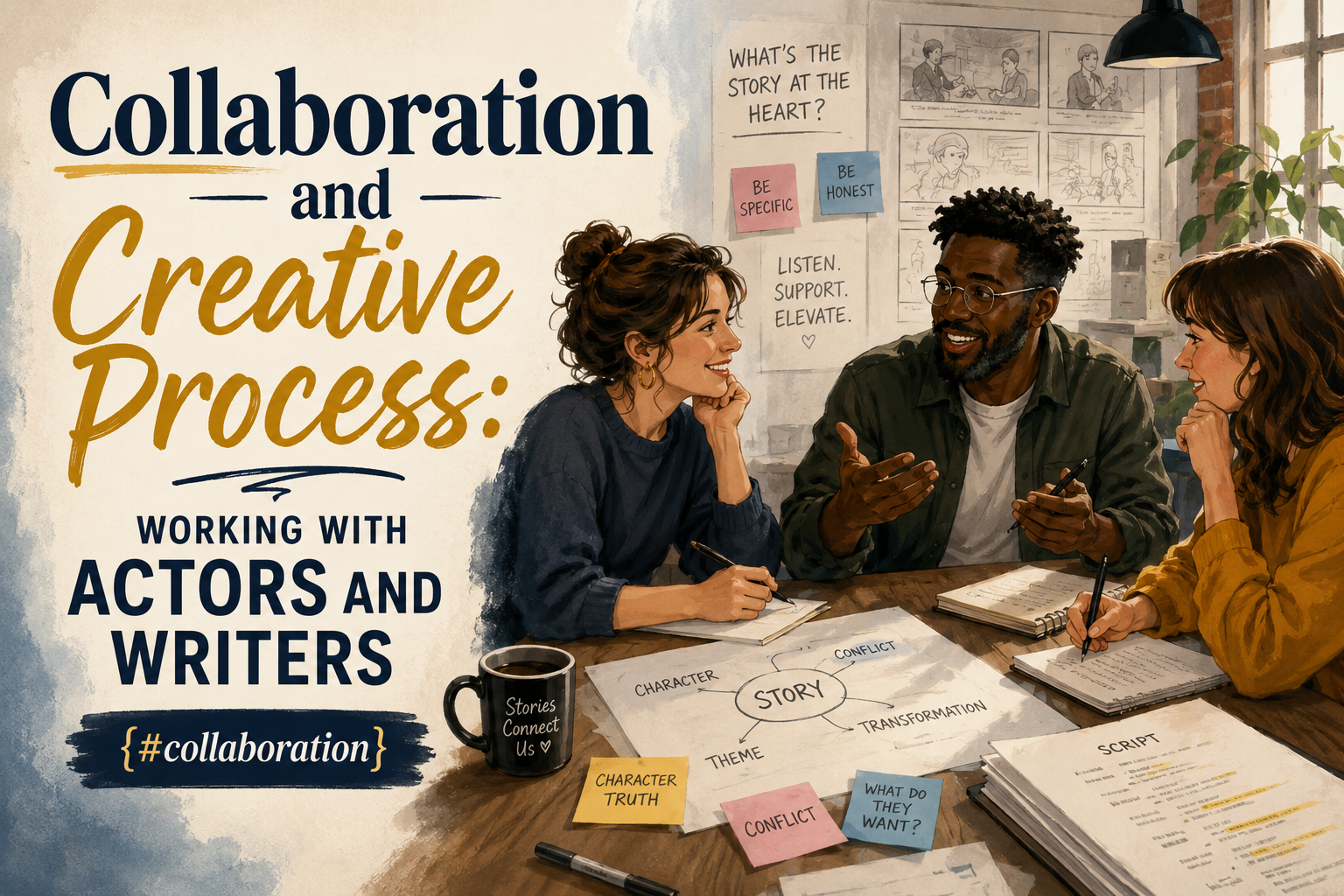
Collaboration and Creative Process: Working with Actors and Writers {#collaboration}
Alankrita values collaborative spaces rooted in shared worldviews. Her work with writers like Zoya Akhtar and Reema Kagti on Made in Heaven was democratic and fun, involving healthy arguments where the strongest idea prevailed. This synergy stems from empathy and a common understanding of human complexity.
With actors, she’s known for extensive prep—rehearsals, workshops, and deep character dives. Konkona Sen Sharma (often called “Koko”) stands out as her ideal collaborator: talented, giving, prepared yet spontaneous, and supportive. Alankrita has repeatedly praised her ability to communicate volumes with subtle expressions.
Favorite characters reveal her heart: “Papu” from Dolly Kitty, a young boy navigating gender dysphoria and maternal dynamics, holds a special place. She also highlights Rosie Bua from Lipstick as a connective “soul” across the ensemble.
The Evolution of Bollywood: OTT Platforms vs. Theatrical Challenges {#bollywood-evolution}
Alankrita has witnessed massive shifts since the early 2000s, when opportunities for actors were scarce and many relied on theater networks or “Xerox lists” for contacts. The rise of OTT platforms like Netflix and Prime Video has transformed this landscape, offering diverse roles and visibility.
However, theatrical releases remain tough for mid-budget, theme-based films. Audiences flock to spectacle-driven content, influenced by decades of hero-centric marketing. She argues for democratic community viewing—theatrical spaces should welcome all perspectives, not just tentpoles. Streaming provides private intimacy, but theaters foster shared experiences that independent cinema needs.
Films like Laapataa Ladies (directed by Kiran Rao) demonstrate strong audience appetite for fresh stories, offering hope for varied cinema in 2026.
Industry Shifts Noted:
- Explosion of opportunities for actors.
- Bias in funding, distribution, and exhibition toward male-hero films.
- Need for systemic change to support diverse voices.
Staying True to Her Vision: Lessons for Aspiring Filmmakers {#lessons}
Alankrita admits she lacks a “Plan B,” which fuels her commitment. After Turning 30’s mixed reception, audience connections—letters from young women feeling “seen”—reinforced her path. This pattern of genuine impact sustains her through rejections.
Advice for newcomers:
- Know your goals early—what kind of stories excite you?
- Prepare for the long journey—success isn’t overnight.
- Build emotional resilience—handle uncertainty with an even keel.
- Observe the world deeply and draw from lived complexities.
She views herself as the primary audience: stories must move her first. This authenticity keeps her work powerful even as Bollywood evolves.
Alankrita’s Enduring Impact on Indian Cinema {#impact}
Alankrita Shrivastava’s films continue to “scare” Bollywood in 2026 because they demand space for women’s unfiltered realities in an industry slow to change. Through bold feminist films Bollywood audiences increasingly embrace via streaming, she proves that complexity, rebellion, and the female gaze resonate deeply.
Her journey—from censorship fights to collaborative triumphs—highlights the importance of persistence and vision. As representation behind the camera remains low (women directing a small percentage of top films globally and even less in India), voices like hers are vital.
In conclusion, Alankrita reminds us that cinema should reflect society’s full spectrum, not just dominant narratives. Her work empowers viewers—especially women—to feel less alone, own their bodies, and embrace rebellion. If you’re inspired by stories that challenge norms, watch (or rewatch) Lipstick Under My Burkha and Made in Heaven. Share your favorite Alankrita moment in the comments below, and explore more bold Indian cinema. What story do you wish more filmmakers would tell?